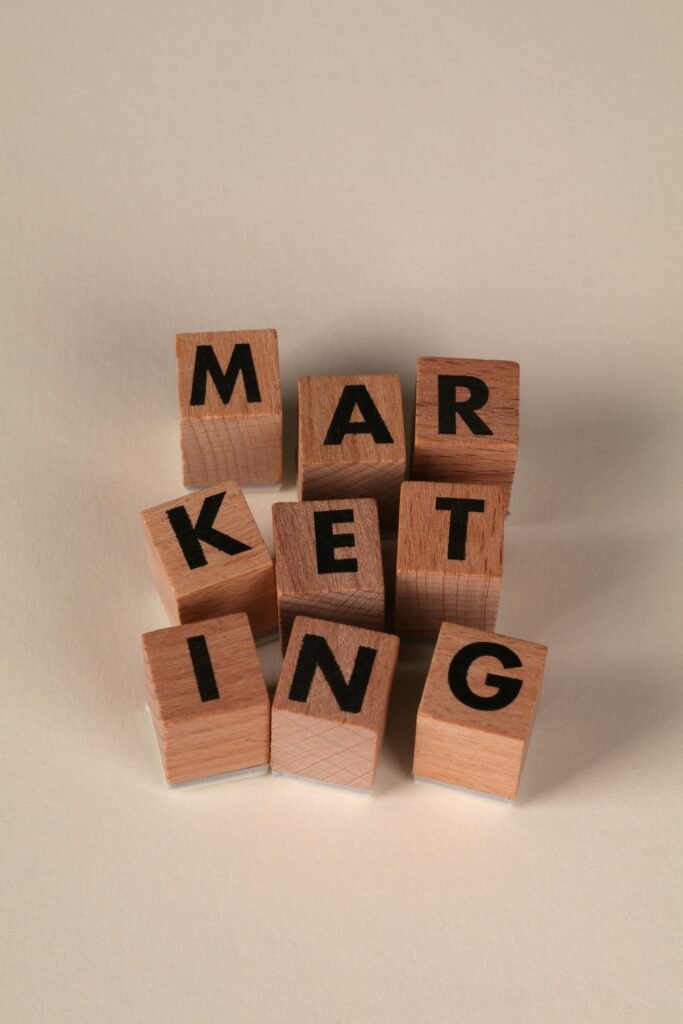

Business

10 Financial Tips That Can Change Your Life
Finance & Insurance, Business

10 Financial Tips That Can Change Your Life

Introduction 10 financial tips that can change your life will help you save smarter, invest wisely, and build long-term wealth with better money management habits. Explore 10 financial tips that can change your life and learn how to take control of your money, build strong financial habits, and create a more secure future. Money is one of the most influential forces at work in modern society. The place we reside in, the avenues we can explore, our emergency handling, and whether we sleep peacefully at night or are plagued by worry. Personal finance is of great importance, but most individuals lack formal education. Why? Despite the expectation to figure it out, we often end up with costly mistakes and learn hard lessons from them. Financial transformation can be accomplished without a finance degree, tens of thousands of dollars in salary, or any luck. Knowledge, discipline and the determination to make a few fundamental changes in your approach to money and how you manage it is crucial. These ten tips are not complex theories or abstract economic concepts. » Simple, proven principles have enabled regular individuals to achieve extraordinary financial success. If you’re struggling with debt, living off the grid, or simply feeling penniless without any action taken, this guide is for you. Read carefully. Apply consistently. Be patient. The results will surprise you. Tip 1: Pay Yourself First. Spending a portion of your income on saving or investing is equivalent to paying yourself first, and this habit could be the most transformative financial decision. Most people do the opposite. They cover all of their expenses, spend what they feel like spending, and save any remaining funds, usually nothing. Hence, The script is completely different if you pay yourself first.’ Ensure that an automatic transfer is made from your primary account to a savings or investment account on the day you receive your paycheck. A five-percent starting point is a strong signal of encouragement to begin with. Earn a minimum of twenty percent of your earnings gradually through savings. This habit has a profound psychological influence as it causes you to adjust your spending accordingly when the money is moved before you can touch it. Then you stop making savings a luxury and make them comprehensible to everyone. By following this routine for many years, people have achieved more financial success than almost any other behavior. 2. Prior to anything else, establish an emergency fund as the second tip.? Build a contingency fund before investing, paying off debt, or making other significant financial decisions. Ideally, you should have three to six months’ worth of living expenses kept in a safe, accessible account, completely separate from your daily finances. Why is this so critical? Because life is unpredictable. Failure to prepare can lead to a job loss, medical issues, faulty cars, or an urgent home repair, all of which can wipe out years of financial progress. Without an emergency fund, unexpected expenses necessitate the use of debt repayment, savings in retirement accounts, or financial assistance from family members. These are all options that pose significant risks. Your reserve account acts as a cushion against financial strain. By doing this, you can manage life’s inevitable failures while keeping your long-term goals in mind. It provides peace of mind in addition to its practical benefits. Build this fund before everything else. Keep it somewhere safe and accessible — a high-yield savings account works well. Once it is built, do not touch it except for genuine emergencies. And if you ever need to use it, make replenishing it your first financial priority. Step 3: Recognize and get rid of high mortgages. The creation of debt is not uniform. When you buy an appreciating asset with a low-interest mortgage, it’s entirely different from buying on credit cards with twenty percent interest. Consumer credit card debt is one of the most detrimental factors in personal finance.. You have a balance every month and interest payments from your hard-earned money are no longer relevant to you. Why? The first step is complete, sincere knowledge.’”. What are the debts you have: outstanding, interest rate and minimum monthly payment? Many people avoid doing this because it makes them feel uncomfortable in the real world. Do it anyway. You can’t fight an enemy you don’T know. “. With the full picture, pick a payoff plan and launch an aggressive assault.’”… Two widely used strategies are the avalanche method, which involves paying off the highest interest debt first while making minimum payments on all other debts, and the snowball method to build psychological momentum by paying the lowest balance first. While the avalanche method is a more cost-effective mathematical approach, people who want to stay motivated and win early on should consider the snowball method. Pick the one that suits you best. During the process of debt consolidation, refrain from adding to it. Cut up cards if necessary. Transfer balances to accounts with lower interest rates if feasible. Taking out high-interest debt is equivalent to earning a guaranteed return of the same interest rate. A twenty-percent credit card payment will result in a risk-free return of twenty percent. 4. The fourth point is to not only stay within your means, but also live below them. Living within your means is not the same as living below yours. Living within your means entails not spending beyond your financial capacity. To live below the means is to intentionally spend a fraction of your earnings, which can help you increase your wealth through expenses and income. “… This concept sounds simple. To achieve it, one must be able to consistently resist strong cultural and social influences.’ We are living in an age where money is the only thing that matters. Ads, social media, peer pressure and our own gut instincts drive us to spend more, upgrade all the time – then we will continue to push ourselves towards inflationary lifestyles. Why? An inflationary pattern emerges in the lifestyle, with spending rising alongside income increases.

5 Ways to Build a Stable Financial Future
Uncategorized, Business, Finance & Insurance

5 Ways to Build a Stable Financial Future

Introduction 5 Ways to Build a Stable Financial Future. Build a stable financial future by saving consistently, investing wisely, managing debt, creating a budget, and planning for long-term goals. Money is a major factor in our lives, but few individuals are knowledgeable about managing it effectively. Our school years are spent focusing on math, science, and history, with little attention to budgeting, investing, or creating lasting wealth. The outcome is that a significant number of individuals enter adulthood without sufficient savings, being exposed to debt traps, economic fluctuations, and unexpected events that can disrupt even the most well-planned life. Creating a secure financial future doesn’t involve instant wealth or enticing the upper class with arbitrary schemes. This involves forming habits, making informed choices, and creating systems that are resilient and effective over an extended period. Rather than being built in one dramatic instant, wealth is constructed over an extended period of time with patience, method, and meticulousness. Regardless of your current situation, whether you’re starting over, recovering from financial struggles, or already earning financially successful but uncertain about your future, the fundamental principles will remain unchanged. Anyone who wishes to commit to them can do so. Consider five proven ways to build a strong financial future through the use of time-tested methods. 1. Develop proficiency in budgeting and planning for your expenses. The most significant financial skill that anyone can acquire is the ability to predict their money’s destination rather than pondering its destination. That’s the essence of budgeting. Budget is often associated with negative connotations, such as being reductive, joyous or punishing. The truth is that a properly constructed budget is one of the most liberating tools in personal finance, as it provides clarity, control and confidence. Understanding Your Cash Flow. It’s crucial to have a precise snapshot of your finances before creating any financial plan. Why? It is important to keep track of all expenses and income sources, including any exceptions. The first time many people do it, they’re really surprised. The money that appeared to be in a state of disrepair was actually spent on small, regular purchases that turned out to have generated significant amounts. To begin with, document your monthly income after taxes. Then, divide your expenses into fixed costs (rent or mortgage; utilities and insurance; loan payments) and variable costs(groceries, food, entertainment: clothes & personal care). Having a well-outlined picture of your cash flow allows you to start making thoughtful choices about what goes in. The 50/30/20. Framework. In her book on household finance, Senator Elizabeth Warren and her daughter Amelia Warren Tyagi popularized the 50/30/20 rule, which is now regarded as one of the most respected budgeting frameworks. Half of the after-tax income is earmarked for needs, while 30% is designated for wants, and 20% is allocated to savings or debt repayment. The arrangement isn’t rigid — it’s just an introduction. » If your housing expenses are too high, your ratios will be affected. In the event that you’re in aggressive debt repayment, you could temporarily shift a larger portion towards that objective. You need to have a purposeful plan instead of making unnecessary purchases and hoping for the best at each stage. Identifying and Eliminating Leaks. Small, recurring expenses that offer little value but drain resources over time are known as leaks in all budgets. Subscription services you hardly ever use, coffee every day or morning, convenience fees and impulse buys are some of the most common culprits. Removing a few can result in creating significant sums of money each month, which can be used for other financial objectives. Intentional spending does not mean depriving yourself of everything enjoyable. It means evaluating each expenditure against the question: does this spending align with what I genuinely value? When your spending reflects your values, you feel less guilt, experience more satisfaction, and make far more progress toward financial security. 2. Make an Emergency Fund Before Anything Elsabe.? Budgeting is the foundation of financial health, and an emergency fund is a protective layer that safeguards against potential collapse when storms strike. And storms always arrive. Job loss, medical emergencies, car repairs, unexpected home maintenance, and family crises are common but predictable aspects of life. The question is whether you’re financially secure during such events. What causes most individuals to overlook this step? Building an emergency fund doesn’t feel as effective psychologically as investing. Savings accounts generate meagerly-interested money and lack the thrilling stock market returns. Consequently, numerous individuals skip it altogether and allocate all their resources towards investments or spending, leaving themselves open to potential risks. In the event of an emergency, what occurs if you lack a liquid cushion? During uncertain times, you have to resort either to high-interest credit cards, personal loans or liquidate investments. The result is a debt spiral that could have been manageable medical bills. The absence of jobs results in a financial nightmare. The emergency fund isn’t glamorous, but its invading nature can ruin decades of careful spending within a few months. How Much Is Enough. Keeping three to six months of living expenses in an easily accessible account is the recommended practice according to financial advisors. Six to twelve months is more suitable for individuals with highly fluctuating earnings, dependents, or job security. The quantity is not as important as the process of starting and building from scratch.’”. Commence with a simple, achievable goal of one month of expenses and move forward. Set a specific amount to be transferred to your emergency savings account on the day you receive your paycheck. Note: Automated transfer removes the need to spend and creates habit rather than require ongoing will power.. Where to Keep It. To avoid any potential financial losses, an emergency fund must be available immediately, without penalty or delay, but kept separate from your regular checking account to prevent being tempted. This is well served by either a high-yield savings or money market account. (A) 3. Tackle Debt Strategically and Deliberately. Most people’s greatest barrier to financial

How to Grow Your Money Through Investments
Finance & Insurance, Business, Uncategorized

How to Grow Your Money Through Investments

Introduction How to Grow Your Money Through Investments by choosing the right assets, diversifying your portfolio, and staying consistent for long-term financial growth. The majority of people are dedicated to earning their livelihood by working extended hours, managing stress and taking time off from work. Why? Suppose you had the means to make yourself as productive as possible, even while sleeping. What would be the outcome? Investing is a powerful tool for building long-term financial security, and it holds great promise. Investing isn’t for the wealthy. Why? It’s a skill that virtually anyone can pick up, learn from, and keep their fingers crossed.”. It’s a simple idea: instead of sitting idle in unsecured savings accounts, you invest the excess into assets that can grow over time. This is known as “debt management.”. The content of this article covers the basics in investment investing, the most popular investment options, creating a profitable portfolio, and developing the mindset necessary to accumulate wealth over an extended period. Understanding the Foundation: Compound Interest. The most potent force in investing, compound interest, must be comprehended before embarking on investment. The process of compounding, which is referred to as the “eighth wonder of the world,” involves your earnings producing their own earnings over time. For example, if you invest $1,000 with an annual return of 8% and make $80 in the first year, your total investment would be $108. The second year of earning $86.40 includes an additional 8% on the original $1,000 and $1,080. With time, this snowball effect becomes more and more dramatic. Starting at age 25, an investor who contributes $300 per month to a diversified portfolio earning an average of 7% annually will have saved approximately $900,000 by the time they turn 65. Figure 1. If the individual doesn’t start until they are 35 years old, their total amount will be less than half of what they contributed in 2010, which is approximately $380,000. Time is your greatest asset. The earlier you invest, the greater the compound interest. Small, consistent contributions made early on in life can be more effective than larger contributions later.. 1. Step one: Clearing your financial affairs. Establishing a sound financial foundation is crucial before investing even slightly. Carrying high-interest debt is often counter-productive to invest while. Breaking even on credit card debt by paying 20% annual interest requires investments to surpass that rate, which is a challenging task. Follow these foundational steps first: Build an Emergency Fund. Deposit three to six months’ worth of daily expenses in a readily available account, such as putting money into – say, Xerox savings. It stops you from being compelled to sell investments at the wrong moment due to unexpected expenses like medical bills or job departures. Additionally, Pay Off High-Interest Debt. Avoid taking out high-interest loans and credit card balances before investing.. 1. Managing low-interest debt, such as student loans or a mortgage, can be an effective way to manage investments since the returns from diversified portfolios may exceed interest rates over time. Set Clear Financial Goals. Which investment option do you prefer: retirement savings, a down payment on putting in the home price, education for your children, or wealth accumulation? Your investment timeline, risk tolerance, and the types of accounts and assets you have will be determined by your goals.. With the appropriate foundations in mind, you’re primed to invest…. The Major Asset Classes A variety of investment options are available, each with varying levels of risk and return potential. Stocks (Equities) When you buy a share of stock, you are purchasing a portion of a company, typically 5%. As the company becomes more profitable, the value of your shares tends to increase. Historically, stocks have provided the highest long-term returns among major asset classes, with annual averages ranging between 7 and 10% when adjusted for inflation over time. However, stocks can be volatile. Their short-term value may fluctuate significantly due to factors like earnings reports, economic data, geopolitical events, and investor sentiment. Over the long term, stocks are more likely to increase in value, as investors can hold onto them without having to sell during market downturns. Bonds (Fixed Income) Bonds are essentially loans you provide to a government or company. In return, the issuer pays you regular interest and returns your principal when the bond matures. Bonds are generally less volatile than stocks and are often used to generate predictable income, making them a useful tool for managing risk and preserving capital. The trade-off is lower returns. Bonds typically yield less than stocks over time, which is why younger investors with a longer time horizon may hold fewer bonds, while those nearing retirement often prefer bonds for their stability. Real Estate Individuals or businesses can earn income and build wealth through real estate by purchasing properties directly or through investment vehicles like Real Estate Investment Trusts (REITs). Real estate can provide regular rental income, tax advantages, and protection against inflation. Real estate is typically owned directly and requires substantial capital and active management. REITs offer a way for investors with limited funds to participate in real estate by buying shares that trade on exchanges, providing exposure to the real estate market. Mutual Funds and Index Funds A mutual fund is a financial product that pools money from multiple investors to invest in a diversified portfolio of stocks, bonds, or other securities. An index fund is a type of mutual fund or ETF that aims to replicate the performance of a specific market index, such as the S&P 500. Index funds are popular due to their low costs, diversification benefits, and consistent long-term performance. Because they are passively managed, they typically have lower fees compared to actively managed funds. Research also shows that most actively managed funds fail to outperform their benchmark index over the long run. Exchange-Traded Funds (ETFs) ETFs operate similarly to index funds but trade on stock exchanges throughout the day. They offer diversification and are versatile, covering a wide range of investment areas

Best Marketing Ideas for Small Businesses in 2026
Business, Uncategorized

Best Marketing Ideas for Small Businesses in 2026

Introduction Best Marketing Ideas for Small Businesses in 2026 include leveraging social media, personalized content, and cost-effective digital strategies to reach more customers and grow faster. Marketing has become more fluid in recent times…. Small business owners in 2026 may find it difficult to keep up with the changing landscape of digital platforms, consumer behavior, and tools. The good news is that the playing field has never been more level. By employing the right tactics, a local bakery, freelance consultancy, or boutique clothing store can challenge competition from companies with marketing budgets that are one hundred times their size. For small business owners in today’s competitive market, this guide offers practical ideas that can be implemented and taken to the next level. A few of these methods are fresh, while others are proven and have been enhanced by modern technology. There’s no huge bill or a dedicated team of marketing to put them all together. 1. Form an individual society, not just a target group.’ The time of broadcasting to a non-active audience is rapidly disappearing. The most effective marketing strategy for small businesses in the coming years is to have a community of people who are passionate about what they do. Audiences and communities differ in their level of participation. Why? The audience observes, while the community engages. To begin with, uncover the common thread that connects your customers beyond the product you sell. The purpose of a coffee shop is to gather – not just for the sale — but also to form community.? By offering workout plans, a fitness trainer is creating specialized individuals who are dedicated to making changes. Establish gatherings for your community: a private group discussion, yearly online meetings (spamas), recurring face-to-face meetings.’ Your value and consistency are more significant than anything else, especially when compared to the platform. Customers who experience a sense of belonging to’something meaningful’ are the most effective marketing channel. They suggest associates, safeguard your brand, and remain loyal by changing prices or avoiding issues that could cause harm to an individual. 2. Leverage AI-Powered Personalization at Scale. Previously, personalization necessitated the use of substantial data teams or costly software. The accessibility of AI tools to anyone has been achieved by 2026.. Smaller companies can now send emails that address specific customer behaviors, create website experiences that cater to visitor history, and automate follow-up sequences that feel genuinely personal rather than robotic. The key is to use personalization as a genuine process, not just as an unsolicited tactic. Using someone’s first name in an email subject line is considered table stakes. To truly personalize, one can opt to follow up on a previous order that was not previously available, remind customers that their favorite seasonal product is back in stock, or acknowledge that it has been since the customer’s last visit. Start with your email list. Using a tool to track the opening and click counts of emails, clicking on specific links, and following purchases. Construct diverse message strands to address various actions. The message is different for someone who only bought once and never returned than for another who opens every email but does not convert. Investing in this produces dividends that last for months or even years.’ The. 3. Authenticity is the determining factor in video production, while Short-Form Video remains the top choice. For several years, short-form video has been the go-to medium for social content, and it continues to grow rapidly in 2026. Nevertheless, the nature of works has been altered. Millennials are now more sophisticated than before and increasingly resistant to feeling polished, scripted or obviously-promotional content. What’s winning at the moment are real behind-the-scenes content, honest storytelling and raw moments that build trust.”. Present your product in a production setting. Take people on a real-life day in your business.? What is your failure story?… Or something. Describe your team as individuals with personalities and stories instead of employees. You do not need expensive equipment. A smartphone with decent lighting is enough. What matters far more is consistency and authenticity. Posting three genuine videos per week will outperform one highly produced video per month. Algorithms reward consistency, and audiences reward realness. Think about the questions your customers ask most often and make a video answering each one. Think about the misconceptions in your industry and make videos correcting them. Over time, this library of content becomes a powerful search and discovery asset that works for your business around the clock. 4. Which Google Business Profile is your most valuable and infrequent asset? 1. For businesses with a physical location or local service area, Google Business Profile is one of the most highly regarded marketing tools available, and most small businesses use it either poorly or barely. The purpose of a fully optimized Google Business Profile in 2026 is to showcase more than just your address and phone number. It appears in search results with reviews, photos and posts as well as products, services, FAQs and booking links, all before users even visit your website. In local searches, it is frequently the first and sometimes only view of a potential customer. Consider your Google Business Profile as a marketing tool.?… Provide updates once a week.’ Maintain a consistent flow of new images — interiors, merchandise, employees, events.’ Give thoughtful and professional responses to every review, whether it be positive or negative. Address queries in the Q&A before customers have to ask. By utilizing the keywords in the products and services section, you can provide detailed descriptions of your offering. Actively managing their profiles leads to businesses consistently ranking higher in local search results. Due to the fact that local search drives vast amounts of traffic and phone calls, it is one of the most impactful actions a small business can take for minimal cost. 5. Referral Programs With Real Incentives. Word-of-mouth has been the most dependable way to promote products and services. Most small businesses are struggling with the issue of it happening inactively, as

How to Build a Strong Brand with Marketing
Business, Uncategorized

How to Build a Strong Brand with Marketing

Introduction How to Build a Strong Brand with Marketing by creating a clear identity, delivering consistent messaging, and building trust with your target audience. Today’s competitive marketplace means that having a great product or service is not sufficient. Your business may become invisible if you don’t have a strong brand, which is why thousands of marketing messages are sent to your customers every day. A brand is not just a logo or slogan; it’s the combination of every experience, feeling, and emotion that people associate with your business. Your promise to your customers and the story you share with the world.?…?! Marketing is an essential component of any business, and building a strong brand is just as crucial. The result is steadfast loyalty, high-priced pricing and top-notch hires, and reliable support during tough times. Several companies, including Apple and Nike as well as Coca-Cola, have shown over the years how effectively a well-established brand can be used to become incorporated into society rather than being solely marketed. In this article, we explore the fundamental principles of marketing that will enable you to build a strong brand through consistent and intelligent advertising methods. 1. Start with a Brand Strategy and identify your core characteristics. Before investing even a small amount of money in advertising or design, it’s important to define your brand strategy. This is the internal blueprint that informs all marketing decisions you’ll make. Define Your Purpose and Mission. Apart from earning money, what makes your brand more significant?. The purpose of brands that connect with their target audience is often well-defined. The purpose of your mission statement is to specify who you are working with, why you do it, and what responsibilities you have. For example, a fitness company may have aims to assist regular people in unlocking their physical potential rather than just selling gym equipment. Identify Your Core Values. Your business’s brand values are the foundation of its success. The words should be genuine and not sardonic. Transparency, sustainability, and innovation are values that should be embedded in your company’s product line, customer experience, marketing strategy, or internal culture. Understand Your Audience Deeply. Strong brands are built on a deep understanding of the needs and interests of their target audiences. Conduct thorough market research, including surveys, interviews, social listening, and data analysis, to gain a comprehensive understanding of your target audience’s demographics, psychographics preferences, pain points, desires, or behaviors. Develop detailed personas of your customers. You must have a deep understanding of your target audience to effectively communicate your message. Why? Craft Your Brand Positioning. Positioning refers to how your brand occupies a separate place in the minds of your target customers from competitors. 2. Build a Compelling Brand Identity. With your strategy in place, you can translate it into tangible things like appearances and sounds into verbal identity. Develop a Memorable Visual Identity. What makes up your visual identity: your logo, color scheme, fonts, imagery style, or design system? You must carefully select these elements to reflect your brand personality and resonate with your target audience.? Blue, red, green, nature, and sustainability are all psychological associations that can be linked to trust, professionalism, energy levels, passion. Typography reflects the tone, with serif fonts appearing traditional and conventional, while sans-serif types looking clean. Consistency is absolutely critical. Your website, social media presence, product packaging, and email marketing campaigns should all contribute to the recognition of your visual identity. Obtain a brand style guide that provides detailed guidelines for each element to be used across all touchpoints.’ Enhance your brand’s expressiveness. Just like your brand’s appearance, how it sounds is equally significant. Your brand voice, that is what you always say in your body language. Are you authoritative and professional? Witty and conversational? Warm and empathetic? Bold and provocative? It is important to convey your brand values through speech and connect with your audience. While tone and tone are not the same, they can vary slightly depending on context. Social media may be more entertaining than a press release, but the personality of the speaker should remain constant. Create a Powerful Brand Story. Humans are wired for stories. Your brand can stand out from competitors in a way that neither does product features or pricing. In your brand narrative, you might mention the events that led to your founding, the problem that sparked your business, what obstacles have stood in your way, or how you envision the future. An honest narrative fosters empathy and provides customers with a sense of ownership for your brand, even after the sale. 3. Build a Strong Online Presence. Nowadays, your digital footprint serves as the primary link between your brand and potential customers. Your brand identity must be reinforced through every digital touchpoint. Design a Professional, On-Brand Website. Your website is your virtual headquarters. Your brand identity should be visually recognizable, user-friendly, responsive, and load quickly. Beyond its aesthetic appeal, it should express distinctly your personality and abilities. What can make this statement? The key to messaging is to prioritize customer needs and features, not just highlighting features. Ensure that your product displays superior photography, compelling copy, and concise messages. Social proof, such as testimonials, case studies and awards, or media mentions to build trust on your website is crucial. Leverage Content Marketing. Creating brand authority and trust is possible through the use of content marketing as a lasting strategy. Consistently generating valuable content, such as blog articles, guides, videos and podcasts, to position your brand as an expert in your area of expertise, is key. The success of great content marketing is evident in its ability to attract organic traffic through search engines, educate your audience, address their pain points, and nurture them throughout the buying process. It develops a library of assets that generates value long after their publication. Ensure that the content you produce is both effective and relevant to your target audience, prioritizing quality over quantity. Master Search Engine Optimization. SEO is responsible for making sure that

10 Powerful Business Marketing Strategies for 2026
Business, Uncategorized

10 Powerful Business Marketing Strategies for 2026

How Forward-Thinking Companies Are Winning Customers, Building Loyalty, and Driving Growth in a Rapidly Evolving Marketplace INTRODUCTION 10 Powerful Business Marketing Strategies for 2026 will help businesses grow faster by using modern trends, digital tools, and customer-focused techniques. The marketing landscape in 2026 is remarkably different from what it was five years ago. They are smarter, more wary and selective in what brands they pay attention to. Technology has accelerated the pace of change, opening up new avenues and making old tactics obsolete in just one instant. Businesses that stick to the practices of yesterday may miss out on opportunities from competitors who are already creating marketing strategies for tomorrow. However, one thing remains unchanged: The winners are companies that truly understand their customers and communicate value with clarity, authenticity, and consistency. From AI-driven personalization to community-led growth in 2026, this article highlights ten of the most impactful marketing strategies for brand promotion. 1. Hyper-Personalization Powered by AI. Generic marketing is dead. Today’s consumers expect brands to address them as individuals, not as demographic segments. Why? Artificial intelligence has made it possible to achieve true hyper-personalization across all touchpoints, including email, website content and product recommendations, as well as customer service interactions, by 2026. Adding the customer’s name to an email subject line does not detract from the hyper-personalization. It entails conveying the appropriate message, at the right time, through the correct medium, with a profound understanding of individual behavior and preferences, as well as purchase history and intent signals. By analyzing vast amounts of real-time data, AI models can predict the needs of a particular customer before they even know they require them. It is the pay off for businesses. High conversion rates, average order values, and loyalty levels that foster long-term revenue are among the benefits of personalized experiences. Firms that prioritize investing in AI-driven personalization engines and robust customer data platforms are consistently superior to those that don’t. In practice, data hygiene should be the starting point. Personalization requires your data infrastructure to be clean, unified, and ethically collected. Small businesses can now use readily available AI tools to generate engaging content, segment audiences effectively, and automate individualized marketing campaigns. This is the starting point. 2. The Core Content Engine is based on Short-Form Video. The most popular content format among all demographics is short-form video, and it has now proven to be the most dominant. A recent trend among younger audiences has transformed into a universal behavior, as executives, professionals and parents now consume information in short, visual bursts. A brand that lacks a strong short-form video presence by 2026 is essentially invisible to many of its target audience. Why? The format values feigned honesty, originality, and swiftness. The quality of polished, over-expressed content is often inferior to that of raw, energetic, and genuinely useful clips that convey one clear idea in less than sixty seconds. The three pillars of short-form video strategies that will be most successful in 2026 are education, entertainment, and evidence. Educational videos establish your brand as a reliable source of information by teaching customers something valuable. Emotional connections are formed when audiences watch entertainment content. Evidence-based content, such as testimonials and behind-the-scene filmed results, can promote trust and alleviate buyer doubts. It’s important to have consistency, not perfection. Regular publication, flexibility in format, quick identification of trends, and iteration based on performance data will always outperform brands that prioritize production quality over quantity. This is true for both volume and frequency. 3. Community-Led Growth. The growth engine of businesses in recent years has been largely driven by community, which has become a significant shift in business marketing. By 2026, sophisticated brands are not only generating audiences but also creating communities of people who feel included and valued for the brand’s purpose and significance. Community-led growth operates on a completely different logic than traditional marketing.”. Instead of transferring messages from brand to customer, it establishes conditions in which customers engage in reciprocal exchange and share their own experiences while also contributing ideas and becoming authentic advocates. The brand assumes the role of broadcaster and becomes a facilitator. Communities create compounding value. The community’s worth is increased by every member who becomes a member. Why? Members who feel a genuine connection to ‘a brand community’ become the strongest marketers by referring friends, defending the brand through social media, creating organic content, and providing honest feedback that helps in product improvement. Creating a community requires both genuine investment and patience. Establishing environments such as online discussions, social gatherings and events, or membership portals to connect and share interests beyond the products you sell. Instead of broadcasting, it’s about listening and praising members in public while also making people feel like they are important. By 2026, the brands that are doing well are creating barriers that rivals cannot compete with through their advertising budgets. 4. Search Experience Optimization is more than traditional SEO. Search behavior has undergone a significant change.? Rather than using keywords in keyword searches, consumers are increasingly relying on AI-powered search engines, conversational interfaces, and integrated discovery platforms for information retrieval in 2026. The search marketing strategy has undergone a radical change due to this. SEO recognizes the importance of being present, credible and valuable to potential customers regardless of their location or method of inquiry. The goal is to produce content that provides comprehensive answers to questions, demonstrates genuine proficiency, and earns trust from both algorithms and human readers. The most important currency of search visibility is authority, depth, and originality. Content is actively punished for, which may contain keywords or other thin.e. The result is content that is comprehensive, well-researched, and covers a wide range of topics from various perspectives, including related questions. The treatment of content as a long-term strategic asset is crucial for businesses, not just if it’s used as traffic tactics. To ensure optimal search performance across all devices, investing in subject matter experts, establishing topical authority over clusters of related content from relevant sources, and

The Beginner's Investment Guide
Business, Finance & Insurance

The Beginner’s Investment Guide

How to Build Wealth from Zero. Your complete roadmap to making money work for you — no finance degree required. Introduction The most significant error committed by many individuals is not investing. Why? “The Beginner’s Investment Guide is designed to help new investors understand the basics of investing, avoid common mistakes, and create a strong financial future step by step.” Many people believe that investing is a hobby for the rich, but they need specialized equipment like nannies, X-factory gadgets, and hefty earnings to start thinking about stocks. The cost of perpetuating this myth is hundreds of thousands of dollars for the average person. The fundamentals of investing are not based on the amount of money you possess. It’s about when you start. A 25-year-old individual who invests $200 per month and gains a 7% annual return will make approximately $525,000 by the time they turn 65. If a 35-year-old does the same thing, they will only receive approximately $244,000 in cash. The head start worth is over $280,000 for ten years, without any additional expenses. That’s the power of compounding. It only works for those who start.’ This book is designed for those who have contemplated starting investment but are uncertain about the first steps. By the end, you can learn the fundamentals, primary instruments of capitalization, common mistakes among new investors, and practical ways to begin your journey today rather than later.. Part I: Understanding the Authenticity of Investing. Prior to selecting a stock or starting yer brokerage, you need ‘a clear mental picture of what are you doing and why’. Investing vs. Saving: A Critical Distinction. Saving is about keeping the money safe in a secure location. Savings accounts perform well in this regard. A quick “safe” step can be a dangerous one in the long run. The economy’s gradual price rise, known as inflation, has a rate of approximately 2-3% per year. The payment of 0.5% interest to your savings account results in a loss of purchasing power each year. The dollar’s value rises, but the amount it can spend decreases. The act of investing involves putting your money into assets that have the potential to exceed inflation. The opportunity for real growth comes with a risk factor. It’s not about putting money away to avoid theft, but rather protecting it from the quiet thieves. Money-making through Three Ways:. Three simple ways in which an investment pays off your pocket:. Knowing this will assist in assessing any investment. What is the exact source of return when someone suggests an investment? You cannot ignore a relationship that involves risk and return. The law of investing is unchanging, stating that greater returns are accompanied by greater risk. No real investment offers guaranteed high returns with no risk. Why? The person who promises it is either untruthful or confused. Uncertainty does not equate to “bad risk.”. Stocks are more risky than bonds because their value fluctuates more frequently, but this volatility has historically resulted in patient investors receiving higher returns. Despite the occurrence of numerous crises and disasters, the US S&P 500 index has maintained an annual return of approximately 10% over the last century. This is in contrast to previous record highs. The most important lesson for beginners is that time is your biggest asset in managing risk. Your compounding strategy will have a greater impact as you extend your investment horizon and recover from downturns. A 25-year-old who watches stocks crash 40% times during a recession is fortunate to have time on their side as they invest. That’s not the case for a 70-year-old in the same circumstances.”. Part II outlines the investment vehicles that can be invested in. While there are many investment types to consider, beginners need to learn a few and get started with effective strategies. Stocks (Equities) You buy some stock as if you are purchasing small amounts of an actual company. As the company grows and generates profits, your shares will appreciate in value. If it distributes profits, you get dividend. Stocks have historically been the most successful major asset class over time. Changing market conditions can cause one company to lose half of its value or face bankruptcy. Additionally, individual stocks are not stable. Accordingly, the majority of financial experts suggest that novices should not accumulate a portfolio of individual stocks and instead use funds that hold multiple stocks at once. Bonds (Fixed Income) Bonds are loaned to a government or corporation by means of issuance. The agreement mandates payment of a fixed interest rate for ten years and then repayment of principal. While stocks can be volatile, bonds offer less returns in the long run. As investors age and cannot handle the volatility, bonds are a crucial component of their portfolio, providing both stability and income. Index Funds and ETFs. Most newcomers should give it priority by paying attention to this aspect. A mutual fund that tracks a market index, such as the S&P 500, is known as an index index of investment funds. The choice is to purchase a small amount of all 500 stocks at once, rather than selecting individual stocks. This rapid diversification greatly reduces the risk.’ Exchange-traded funds and index funds are one and the same, but unlike an ETF that trades on multiple stock exchanges during the day. Most beginners find the S&P 500 to be a low-cost option due to its technical distinction. ETF or index fund would be a good choice for someone starting out. The simplicity and affordability of index funds make them genius. Because there is no active stock selection, the fees (referred to as expense ratios) are very low, sometimes reaching 0.03% per year. The majority of active fund managers charge significantly more than simple index funds over an extended period, despite their efforts to outperform the market. Mutual Funds. In a mutual fund, investments are pooled from multiple investors and the investment is chosen by ‘a professional manager’. Certain mutual funds have indexes that do not track performance,

Best E-Commerce Platforms for Beginners 2025
Uncategorized, Business, Finance & Insurance

Best E-Commerce Platforms for Beginners 2025

Best E-Commerce Platforms for Beginners 2025 Starting an online business has never been easier, nor has it become more arduous. The online marketplace is flooded with platforms that promise to make you the next successful entrepreneur. There are platforms designed for different individuals. Certain ones are designed for individuals who have a passion for working with code at midnight. Some are designed for the novice who can upload their products, set a price, and begin selling within 24 hours. However, some may not have this capability. The second category of individuals is addressed in this guide. The article provides a comprehensive guide to the top e-commerce platforms that are ideal for all types of entrepreneurs, from stay-at-home parents to small business owners. By presenting each platform’s strengths, weaknesses, and potential users, we will make it easy for you to determine the most effective starting point. E-Commerce Platforms: What makes an E platform for those new to it, such as this one? The definition of “beginner-friendly” should be discussed before jumping into specific forums. This is important to understand. A platform’s power cannot be achieved by being too accessible. Enterprise-level tools often come with a lot of features, but they require several weeks to learn before publishing your first product. It’s not only frustrating for a newcomer, but it can also result in them giving up completely. “. A straightforward e-commerce platform should provide: A straightforward setup process will enable you to create an account and operate a store in just ten minutes rather than taking countless hours. It’s made possible by drag-and–drop builders, predetermined templates, and step-by-step onboarding. Best e-commerce platforms help beginners create online stores easily.” Understanding code is a powerful skill, but it’s not essential for newcomers to operate thriving stores. Clean interfaces are the secret to the technical intricacies of the best-equipped beginner platforms.’ Silent pricing practices are responsible for the silent death of new businesses. The most accurate explanation for a newbie site is to disclose the monthly payment, transaction fees, and add-ons. Setting up payment gateways for Integrated Payment Processing is not a requirement for applying for an bank loan. Why? One-click payment integration or built-in functionality is available on the best platforms.. Uncommon Customers: Newbies may have questions, sometimes urgent….. You don’t need live chat, tutorials, or a responsive support team. Your store may be small today, but the goal is to scale up. A good platform for beginners should be able to develop and improve rather than forcing them to migrate in six months. Why? We can then use that framework to explore the best possible platforms.’ Best E-Commerce Platforms for Beginners 2025 1. The king of the first-time Ecommerce platform, Shopify.com? The name Shopify is the most commonly used when discussing online selling. Shopify was launched in 2006 and has become the preferred platform for millions of merchants across more than 175 nations. The reputation it has earned is well-deserved among newcomers. Why Beginners Love Shopify. Shopify’s onboarding process is renowned for its speed. After registering, the site walks you through how to add products, choose a theme, set up payments and configure shipping in steps that don’t require any prior knowledge. If this is your first time shopping online, you’ll find that the dashboard is clean, tidy, and user-friendly. The site has a collection of more than 100 professionally designed themes, with many available for free. These themes are designed to be responsive, making it essential to have a mobile-friendly design for your store in today’s world. Best e-commerce platforms help beginners create online stores easily.” The built-in features of Shopify are incredibly user-friendly, and many users fail to realize they have access to these features before realizing they need them. This includes abandoned cart recovery, discount codes, customer accounts, inventory tracking, as well as basic analytics. Shopify’s App Store is a standout feature that offers users dozens of third-party tools to enhance their store’SEO and functionality. Interested in adding a loyalty program? There’s an app for that. Want to integrate with TikTok Shop or Facebook Marketplace? Request. Done in minutes. Shopify’s Pricing Structure. The subscription-based service on Shopify is divided into several tiers. The basic plan is reasonably priced for beginners and comes with all the necessary items to begin. Unless you use Shopify Payments, you will be charged a transaction fee for every sale made by Shopified. The information provided is essential for determining your profit. Where Shopify Falls Short. Shopify isn’t perfect. Premium apps can result in a significant increase in costs, and users may need them to unlock features that are available on other platforms at no cost. Furthermore, Shopify’s Liquid coding language necessitates expertise in creating custom storefronts for those who are new to the platform and want to create their own. Even so, Shopify is the most secure and proficient solution for novice users. By maintaining its simplicity, it offers a solid foundation for scaling, permitting you to start as nimble and grow until you have accumulated millions of dollars without any need for change. The ideal candidate for: Inexperienced individuals who are committed to building a lasting online presence. 2.The Wix eCommerce version of The Visual Builder That Sells is available. The heritage of Wix as a website builder is well-known. Those interested in creating an elegant and innovative storefront without any technical knowledge should consider Wix.com. Why Beginners Love Wix. Wix’s drag-and-drop editor is the most user-friendly on this list. Clicking on any button, image, or text block on your page allows you to move, resize, colorize, and replace them. This level of visual control is unparalleled among platforms for those who are new to it. With the help of industry-specific e-commerce templates, you can create your own online store, whether it’s selling clothing, art, food, or electronics, with a starting point that already matches your desired products. Wix ADI (Artificial Design Intelligence) is a smart tool that allows you to automatically create ‘basic store’ content by answering some questions. This is

Finance and insurance guide for beginners
Finance & Insurance, Business

Finance and insurance guide for beginners

Personal Finance Smart Money, Strong Safety Net. A step-by-step guide to building financial confidence, covering everything from your initial expenses to the most suitable insurance.’ BEGINNER12 min readUpdated April 2026. The majority of individuals who fail in managing money do not possess the necessary intelligence, but rather it is a result of lack of education. Here’s what you need to know. Know exactly where you stand. Finance and insurance guide for beginners helps you understand budgeting, saving money, choosing the right insurance, and building a secure financial future step by step. It’s important to have a solid understanding of your financial situation before implementing any plans, software, or investments. Simply record four things: your earnings from all sources, monthly expenses, debts, and savings. Do this for yourself. Be honest? What is revealed by this exercise alone is not widely known…. Hidden subscriptions. You were unaware of the spending habits.’. Better recognition of whether you are moving forward or in motion. Develop a financial plan for your own use. A budget is not a constraint, but rather arbitrary. For starters, the 50/30/20 rule is the most widely accepted approach:. CATEGORY SHARE WHAT IT COVERS. 50% of expenses covers rent, food and transport services. Is interested in 30% for entertainment and dining out, as well as enhancing their lifestyle. I have a 20% equity stake in an Emergency fund, retirement savings, and investment objectives. Change the proportion to your income, but consider the discipline of dividing each category before spending. Consistency over perfection, always. Prioritize saving and spending the remaining funds. Most beginners require a fundamental change in mindset: discard what remains after spending and move towards spending what still remains. Automate it where possible. Upon receiving income, save a fixed amount before spending it. When done monthly and in small amounts, it transforms into something substantial. BUILD YOUR EMERGENCY FUND FIRST. Set a timeframe of 3-6 months to accumulate living expenses in specialized accounts. The amount allocated to this fund is utilized for reemployment benefits, medical expenses and urgent repairs. This prevents you from attempting to use credit cards during an emergency. Take care of that thing as much as you can until a genuine emergency takes place. Manage debt strategically. While some debt is not destructive, high-interest debt serves as the ultimate obstacle to hindering financial progress. Excessive credit cards, payday loans, and informal borrowing can result in spending beyond the expected savings. Before initiating any new debt, contemplate two questions: Is this investment essential? Why or why not? Would it be realistic to repay this without any hassle? Please advise. Should either be ruled out, hold on.? When reducing current debt, it is important to focus on the highest-interest balances. Each payment on these yields a return that is as good as the interest rate. Commence investing, even with small amounts. Saving preserves money. Investing grows it. Having an early start means that compound growth will take more time to work in your favor. To begin with, the most straightforward routes are low-cost index funds, real estate (either directly owned or through partnerships), and investing in skills/education that boosts your earning potential. COMMON TRAPS TO AVOID. Any investment plan that promises to generate high returns in a short span of time. •. Making investments that could be of value in the next year. Consumers are feigning over their buying decisions when it is evident. Investing should be approached with caution as it is a form of gambling, and patience is the key factor in winning. Your wealth is not based on your income, but on the amount you keep and how you spend it wisely. “. Understanding insurance is crucial, but not optional.. Insurance is the last thing on people’s minds and their first wish. Lack of adequate coverage can negate the impact of years of careful planning, especially when faced with a medical emergency, house fire, or car accident. HEALTH. A lack of insurance will result in catastrophic medical expenses. An uncomplicated plan can still provide a valuable safety net. LIFE. When you pass away, life insurance ensures that others are financially secure. PROPERTY. Defends your residence and possession against fire, theft, and environmental hazards. If you have anything of value, it’s essential to possess. VEHICLE. Provides protection against liability claims that can exceed the value of any vehicle and is mandatory in most places. Treat insurance as a cost-free option, rather than an expense. You are not paying for the things you want to use, but rather for a chance to save money and avoid financial ruin. This is important. Protect yourself from financial scams. The majority of scams are aimed at beginners. These patterns are consistent: characterized by guaranteed returns, urgency of the situation; requests for personal financial information; or opportunities for unconventional investment methods. It’s common to assume that everything can be assumed to be true, so investigate as if it’d be a hoax – because it usually is. Review, adjust, and stay consistent. Financial circumstances change. Revenue rises and falls, targets change, expenses alter.[Note sais text]. The same budget or insurance that was effective two years ago may not be suitable today. Conduct a quarterly audit, which involves reviewing your budget, tracking savings, reviewing coverage, and evaluating your investments. Set this up for successful completion. People who create long-lasting wealth aren’t always the smartest, highest earners. They are the most consistent. Finance and insurance are fundamental tools that enable greater self-determination in the future. This level of difficulty can be learned gradually.’ The. What is not waiting is the starting point. Open a savings account. Record your earnings and expenditure. Get a free health insurance quote. The value of these three steps taken this week is beyond the scope of any book you can read. Start small. Stay steady. The rest follows.

Personal Finance & Insurance Planning
Finance & Insurance, Business

Personal Finance & Insurance Planning

Comprehensive Plan for Longitudinal Wealth.”. Get to know the essential elements of budgeting and investing, from foundational saving tips to advanced investment techniques. 📋 What You Will Learn. Introduction. What are the reasons behind people’s financial struggles and how can they be tackled? According to a survey conducted by the National Financial Educators Council in 2024, inadequate financial literacy results in an average American making avoidable financial errors that cost them over $1,500 annually. Schools do not often teach about personal finance, and many people rely on guesswork, habit, or advice from others who are just as insecure. Building financial security doesn’t require either a six-figure salary or an economics degree. A clear strategy, consistent practices, and appropriate knowledge applied at the requisite time are necessary. The content of this guide is precisely that.’ Insurance planning and personal finance are two different aspects of the same situation. Although you may be able to budget well and invest smartly, without proper insurance, one day’s medical emergency, accident or natural disaster can wipe out years of careful wealth accumulation. Correspondingly, you may have obtained complete insurance coverage but be financially vulnerable without a robust strategy for saving, investing, and debt management. This manual combines the two, providing you with a comprehensive and practical roadmap to attain financial stability, safeguard your assets, and establish ‘true financial self-sufficiency’. Foundation. Experiencing Personal Finance: Beyond just money. Personal finance refers to the process of managing your finances to achieve your life objectives. Everything is involved, from earning and spending money to saving, investing in, protecting against risks (and then passing on). The most common mistake financial guides make is that personal finance is a highly personal area. Your financial choices are influenced by your values, fears, aspirations, family background, and personality. It’s a fact that what one person does well may do wrongly. Developing a framework that caters to your circumstances is crucial, rather than blindly following standard guidance. 💰. Income Management. Understanding all your earning potential and maximizing earnings over time. 📊. Budgeting. Using your earnings to achieve a specific aspiration. 🏦. Saving & Investing. Making money work with focused savings and intelligent investment. 🛡️. Risk Management. To ensure financial security by incorporating insurance and diversification measures. The essence of financial management lies in intention rather than restriction. Key pointers: Your goal is to manage finances with purpose, not to limit it. Why? Planning. Creating tangible financial targets that yield results? Assistance: Lack of direction is a common cause of financial failure among people, not just lack of money. “. Your monthly earnings disappear into daily spending without any clear targets at the end of the month. Goals convert vague aspirations like “I want to be wealthy” into tangible targets that guide all financial decisions. Why? The Three Horizons of Economic Aspirations. Achieving financial success requires planning for three different time horizons, and each one involves a unique approach: Time Horizon Examples Strategy. Short-Term. 0–2. Years of emergency fund, credit card repayments, and high-yield savings accounts; automatic transfers. Medium-Term. 2–7. Down payment on a home, starting biz; investing in children’s fund; low-risk bonds; CDS; diversifying mutual funds; and most of all, working with the UK’s education system. Long-Term. Retirement, financial autonomy, wealth accumulation through generational stock exchange investments, retirement accounts, and real estate investment are all part of our 7+ year work experience. Specificity holds the utmost importance in formulating goals. “The objective of saving money is not a practical one, but rather an aspiration.”. The proposal aims to achieve a savings of $5,000 in 10 months by allotting $500 from my salary each month. Add the SMART principles of Specific, Measurable and Achievable to every financial goal you set — and your chances of getting there significantly greatly improve.? Budgeting. Find the System That Fits Your Life: Budgeting Methods.? A budget is nothing but a blueprint for managing your money.’ It guides your earnings without any recollection of their destination.’ Budgeting is often viewed as a sign of poverty by many, who are opposed to it. Why? The opposite is true, as a good budget allows you to afford the things that matter most to you without wasting money on unnecessary purchases. The 50/30/20. Rule. For beginners, this budgeting framework is the most widely accepted one. Separate your after-tax income into three sections: 50% is allocated for necessities like food, utilities, and transportation, 30% goes for personal preferences such as dining out, entertainment, or hobbies, while 20% is dedicated to financial matters such wielding savings, investments, undoe debt. The top three categories. Most people have it, but not everyone can afford it. Zero-Based Budgeting. Zero-based budgeting requires you to allocate all your money to work until the totals reach zero in relation to your income. You can control your money and have complete visibility with this method, which requires more effort. Those who aim to aggressively pay off debt or maximize savings can benefit greatly from its powerful effect, as it ensures that no money remains unaccounted for. The Pay-Yourself-First Method. Prior to paying any bills or spending anything else, you deposit a fixed amount into your savings account or investment account. The only thing left is the land you inhabit. The automatic savings method is a highly effective strategy for those who are not inclined to discipline themselves, as it occurs before the temptation to spend. ⚠️ Common Budgeting Mistake. Creating a budget once and neglecting to review it. Your income, expenses, and objectives are subject to change. Establish a monthly budget reconciliation to keep track of your expenses and adjust it accordingly. A budget is a way of telling your money where to put it rather than just wondering where it went. “. — Dave Ramsey, Financial Author. Protection. The first step in safeguarding your assets during an emergency situation. A contingency fund is a distinct sum of money designated for exceptional financial situations like unexpected medical expenses, job losses, urgent home or car repairs, or any other unanticipated expenditure that

Scroll to Top