How to Gain Weight Fast and Safely: A Beginner’s Guide
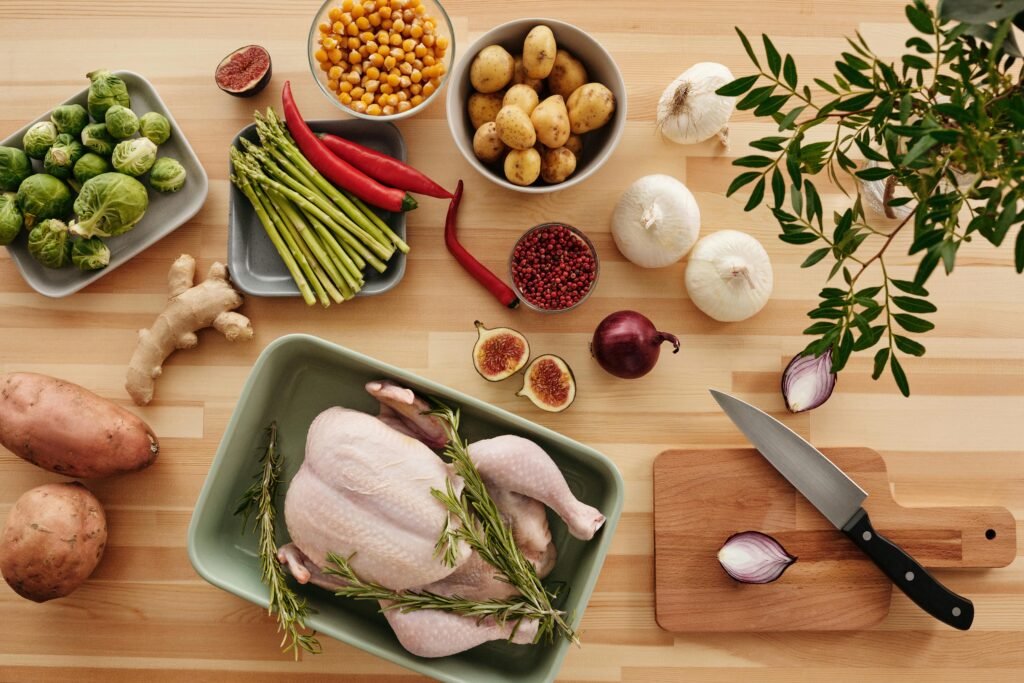
How to Gain Weight Fast and Safely: A Beginner’s Guide helps you learn the best healthy eating habits, workout routines, and lifestyle changes to increase body weight naturally and effectively. Weight gain can be achieved through a combination of strategies, consistency and patience. Whether you’re seeking to increase your body weight, improving muscle strength, recovering from illness or simply changing your diet and exercise habits, the science behind weight gain is everything. This is a must-read for anyone interested in learning how to gain weight with optimal results. Understanding Weight Gain Fundamentals. It’s important to understand the impact of weight gain before delving into strategies. A caloric surplus is the result of consuming more calories than your body can burn, leading to weight gain. Weight gain is not uniformly distributed among individuals. This is not just about gaining weight; it’s about finding quality weight in muscle and lean tissue, not excessive body fat. Your body composition matters significantly. A person’s appearance and sensation are entirely distinct from that of someone who gains ten pounds of muscle. Why? Your eating habits and exercise regimen are the distinguishing features.’ The objective of quality weight gain is to maximize muscle growth without causing excess fat. The Science of Caloric Surplus. Understanding calories is crucial for any weight gain program to begin with. The calorie is a form of energy, and your body needs to burn countless calories daily just to sustain its weight. Its value is known as its Basal Metabolic Rate (BMR), also known simply as the Total Daily Energy Expenditure (TDEE). You must consume more calories than your TDEE to gain weight.? For a consistent, quality weight gain, experts recommend adding between 300 and 500 calories ideally every day. It might appear trivial but it equates to around 0.5 to 1 pounds of weight gain per week, at a consistent rate that can be safely maintained and minimize the accumulation of fat. How to Gain Weight Fast and Safely: A Beginner’s Guide You need to take into account your TDEE score, which includes age and gender as well as current weight (weight), height and level of physical activity. Estimate your weight by using online calculators or tracking your weekly food intake and observing if it stays the same. When your baseline is reached, you can add 300-500 calories to start off your surplus. Rapid weight gain could be achieved by consuming a massive surplus of food, but the majority of it will be fat instead of muscle. On the other hand, a small surplus combined with appropriate exercise allows your body to focus on building muscles rather than storing fat. Building Your Caloric Foundation. Achieving a sustainable caloric surplus begins with determining the necessary calories.’… Here is a practical approach: Defeat for a whole week by following the same diet plan and not attempting to gain or lose weight. Count your food intake and calculate the daily calorie consumption. This provides you with a practical starting point for your life. When you have a baseline, add 300-500 calories to it. You can add this to your daily intake as part of your weight gain program. Maintain an ongoing record of all your food consumption by using a food tracking app. This may seem uninteresting, but it’s essential for meeting your caloric intake objectives. It is common for people to believe they are eating enough, but this is not true when measured objectively. Keep tabs on your progress by weighing yourself every week, preferably in the morning before eating. Do this every 2-3 days. Evaluate the average weight during each week to keep it consistent. It is likely that you will experience a weight gain trend within three to four weeks. Nutrient Distribution and Macronutrients. Calories are essential, but where they come from? The role of protein, carbohydrates, and fat in weight gain and muscle building is unique to each macronutrient.?… mehr! The presence of protein is essential for the development and maintenance of muscles. Approximately 0.7 to 1 gram of protein is required for every pound of body weight.?… Approximately 180 pounds can be achieved by eating between 126 and 180 grams of protein daily. What is the recommended amount? Protein is essential for maintaining muscle mass during growth and recovery from training. This makes meeting your daily goals much easier when you have ready-to-eat meals available. Your primary source of energy during workouts is carbohydrate. By consuming carbohydrates, you can replenish the glycogen stores in your muscles and use them to keep up with intense workouts. Eating whole foods such as oats, rice, sweet potatoes and whole grain bread should provide carbohydrates at every meal. Why? Avoid fear of fat when trying to gain weight.. Nuts, seeds, olive oil, avocados and fatty fish are high in calories (9 calories per gram versus 4 for protein and carbs), healthy fats that also help hormone production. Why? Obtain 25-35% of your energy from fat. Best Foods for Weight Gain. The right foods to eat can lead to weight gain, rather than fat accumulation. The following foods are ideal for weight gain: Protein Sources: Chicken breast, turkey, lean beef, salmon, mackerel and eggs are protein-rich, along with Greek yogurt, cottage cheese, milk, beans, lentils, tofu or even protein powder. Get different nutrients and micronutriments by diversifying your diet. Carbohydrate Sources: Rice, white rice, oats (cruciin-rich potatoes), sweet potatoes and regular potatoes, pasta as well as whole grain bread, with beans lentils and quinoa are all excellent sources of complex carbohydrates.Foodies. These foods offer sustained energy and crucial micronutrients.. Healthy Fats: Nuts, seeds, avocados (including almonds and walnuts), olive oil, coconut oil as well as fatty fish, and nut butters are all high in calories and provide good nutrition. Why? Because they don’t contain too many calories anyway! Calorie-Dense Combinations: A variety of delicious combinations can help you achieve your caloric goals by combining banana, trail mix with peanut butter and dried fruit or smoothies made from milk protein powder nuts then rice